How Close Shots Changed What Films Could Show
Learn how the film close shot developed as a storytelling choice, and how filmmakers use framing to make faces and objects legible without losing context.
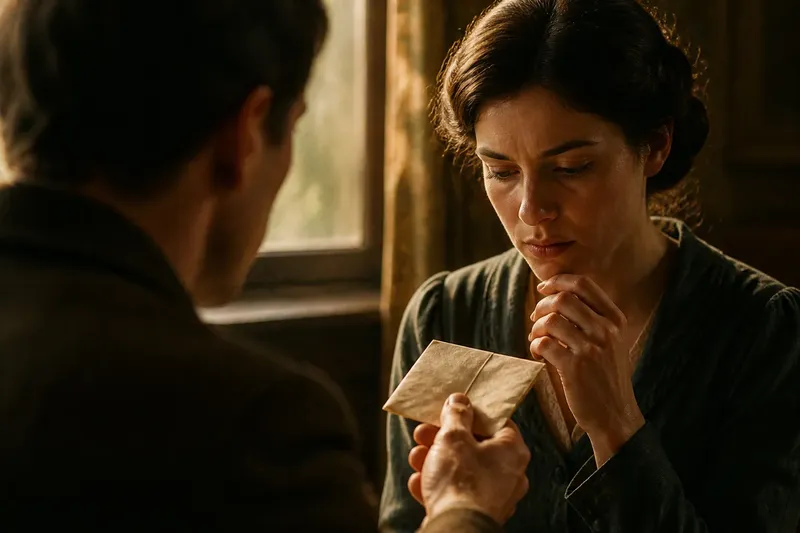
The film close shot lets a viewer read a glance or a turning hand that might disappear in a distant view. Its history is not a simple tale of one invention: filmmakers gradually used closer framing as one option among several, making the scale of the image part of how a scene was told.
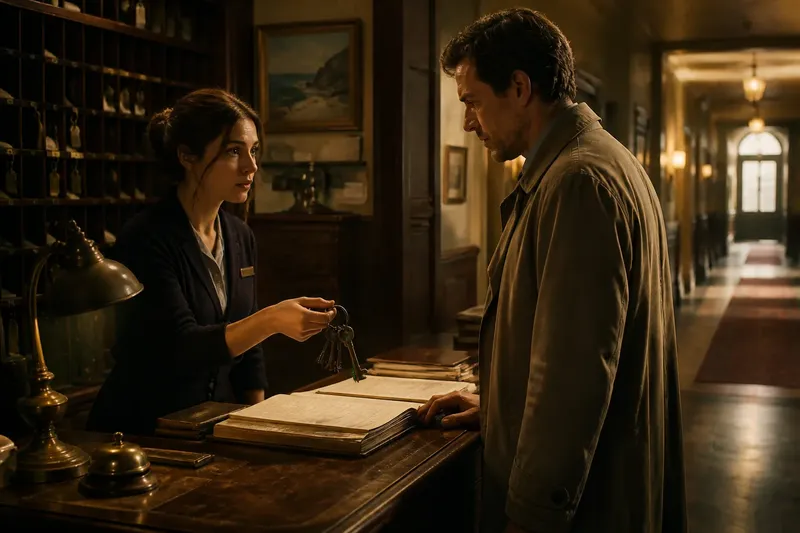
Early films often presented performers and action in broad, fixed compositions that could resemble a view from a theatre seat. That description is a useful shorthand, not a rule for every early film. As filmmakers experimented with framing and the arrangement of shots, close views became more available for directing attention to a face, gesture or object. The important change was not that one format vanished, but that a film could vary the viewer’s distance from the action.
Close framing developed as part of film language
A close shot is a relative term. It brings a person or object nearer in the frame than a wider view does; a close-up usually means a tighter image, such as a face filling much of the frame or a small detail shown alone. Exact usage varies, so the visible relationship between shots matters more than a rigid label.
Closer framing became narratively useful because it could make details readable without requiring a performer to exaggerate a gesture for a distant audience. It also changed the composition: instead of seeing a person within a room, viewers might see the face, hand or object that carried the immediate action. This does not establish a single date or inventor. It describes a gradual expansion of what filmmakers could do with framing.
The film close shot can therefore be understood as a change in visual emphasis, not a replacement for broad views. A wide composition shows the arrangement of people and space; a close view can make a particular expression or action legible. Films can move between these scales to reveal different parts of the same event.
Close shots made small details available to the viewer
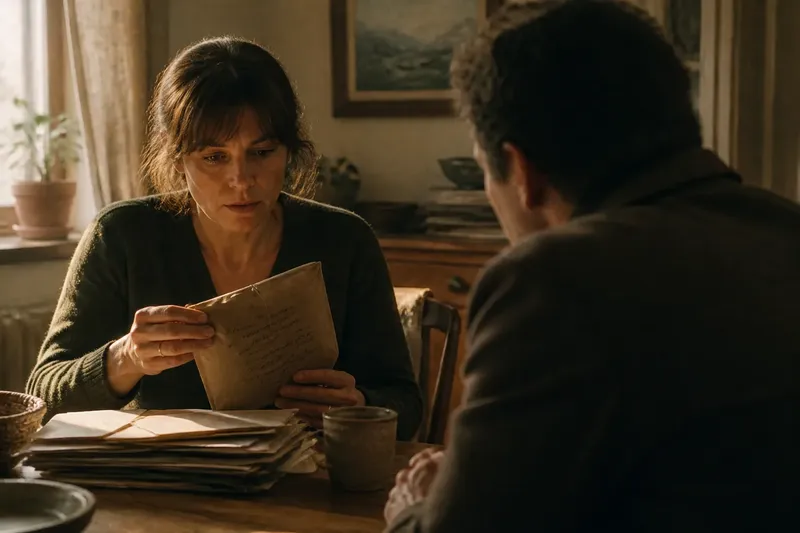
A face shown near enough can make a lowered eye or a brief hesitation visible. An object can become easier to inspect: a letter’s mark, a key held in a palm, or fingers resting on a door handle. The frame changes what is available to see, but it does not dictate one correct feeling or interpretation.
Think of a close shot like placing one object on a table within easy reach. You can inspect its surface, while the room around the table still exists. Likewise, a film’s close framing narrows the visible area but depends on what the viewer remembers about the scene outside the frame.
That dependence explains why scale works through contrast. A face seen close after a crowded room may feel private; the same face held in close framing throughout a scene may not carry the same shift. The relationship between the close view and the surrounding images shapes its effect.
Context makes a close view legible
A close shot may feel arbitrary if the scene has not established why its subject matters. A glance towards an envelope can prepare a closer view of that envelope. Without the glance, a sudden image of the envelope may leave viewers wondering why it has been singled out.
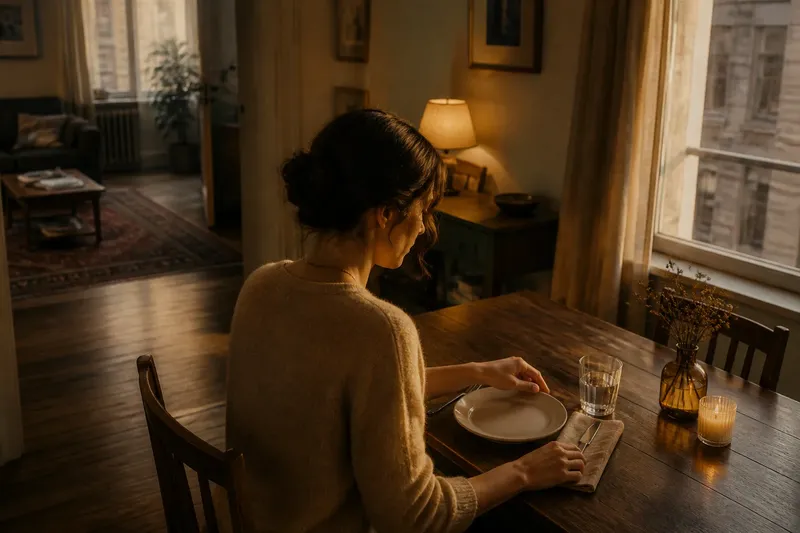
Close framing can also remove spatial clues. Viewers may lose track of where a person is standing, what they are looking at or how two characters relate. A wider view, a visible doorway or another person at the edge of the composition can restore the necessary orientation.
Expression can remain ambiguous, too. A furrowed brow might suggest concentration, worry or physical effort. Showing it closely makes the change visible, but does not settle its meaning. The surrounding action and the viewer’s knowledge of the scene help keep more than one reading possible.
How does a close shot differ from other framing choices?
Does a close shot always mean that its subject matters?
It gives the subject visual priority at that moment, but does not explain why it matters. The action before and after the shot helps viewers decide whether the detail is a clue, a reaction or simply part of the scene.
Is a close shot the same as a close-up?
The terms overlap, though close-up often describes a tighter image, such as a face filling the frame or a detail isolated from its surroundings. “Close shot” can refer more broadly to framing that brings a person or object nearer than the neighbouring views.
Why might a close shot make a scene harder to follow?
It may exclude landmarks, other people or the object of a character’s attention. If the scene has not established those relationships, viewers can recognise the detail yet be unsure where it belongs.
Can a close view preserve uncertainty?
Yes. Proximity makes small changes easier to see, but it does not give them a single meaning. The scene can leave an expression uncertain by sustaining more than one plausible explanation.
A close shot should contribute information or emphasis
Before choosing a closer frame, identify what it can show more clearly: a reaction, a mark on a document, a hand hesitating or an object’s relation to its holder. Then consider what the frame will exclude. A close view of a letter may reveal its writing while hiding who found it; a close view of a face may conceal the person who prompted the reaction.
Use this set of decisions when planning a sequence:
- Check whether the subject has been established in a wider view; if it has, move closer to clarify it, and if it has not, establish its place before isolating it.
- Check whether a gesture or detail is hard to read at the current scale; if it is, use closer framing, and if it is already clear, keep the wider composition.
- Check whether viewers need to know where people stand; if they do, retain a landmark or return to a wider view, and if they do not, let the close frame exclude the room.
- Check whether the subject’s expression should remain uncertain; if it should, preserve competing clues in the surrounding action, and if the reaction needs to read plainly, show the relevant response or context.
- Check what information the tighter frame removes; if that information matters to the scene, include it in another view, and if it does not, allow it to remain outside the frame.
- Check whether the close view changes the audience’s understanding; if it adds a reaction, clue or meaningful emphasis, keep it, and if it only enlarges already clear information, stay with the wider view.
Imagine a scene in which one character is deciding whether to hand over a folded note. The starting image shows both people and the gap between them. A closer view of the hand shows the fingers loosening and tightening around the paper; the resulting image makes the hesitation visible, though it still does not show whether the note will be passed. Returning to both people reveals the decision: if the note crosses the gap, the exchange happens; if the character keeps hold of it, the refusal remains visible. The closer framing clarifies the choice, while the wider image shows its consequence.
The film close shot became a storytelling choice as filmmakers used proximity to make facial expression and physical detail visible within a sequence of changing views. Its history is best understood as an expansion of visual options rather than a clean break from earlier framing. When planning a close view, ask what new detail it gives the viewer and which context must remain available for that detail to make sense.