The Soundtrack Does Not Dictate the Feeling
Learn how film music complicates or contradicts a scene’s apparent emotion, helping you notice the image, performance and sounds that remain.
A soundtrack does not dictate a scene’s feeling; it changes the terms on which we read it. A character may smile while a low, uneasy note holds beneath the dialogue, leaving us unsure whether the smile is warm, forced or meant to reassure someone else.
That uncertainty is not a failure of musical storytelling. Music is one part of a scene, alongside performance, dialogue, room sound and the image itself. Its effect depends on how those elements meet, and on what the scene allows the viewer to notice.
Film music offers a reading rather than a verdict
Film music can steer attention through qualities such as tempo, pitch, volume, rhythm and instrumentation. A quick pulse can suggest urgency; a sustained tone can make a pause feel charged. But these cues do not carry a single meaning in every context. A bright melody might feel playful, brittle or painfully out of place, depending on the images and the moment in the story.
It helps to distinguish a cue from an instruction. An instruction says, in effect, “feel this now”. A cue offers evidence that viewers weigh against what they see and hear. The difference is like placing a coloured pane over a window: the view remains, but its details take on a different cast.
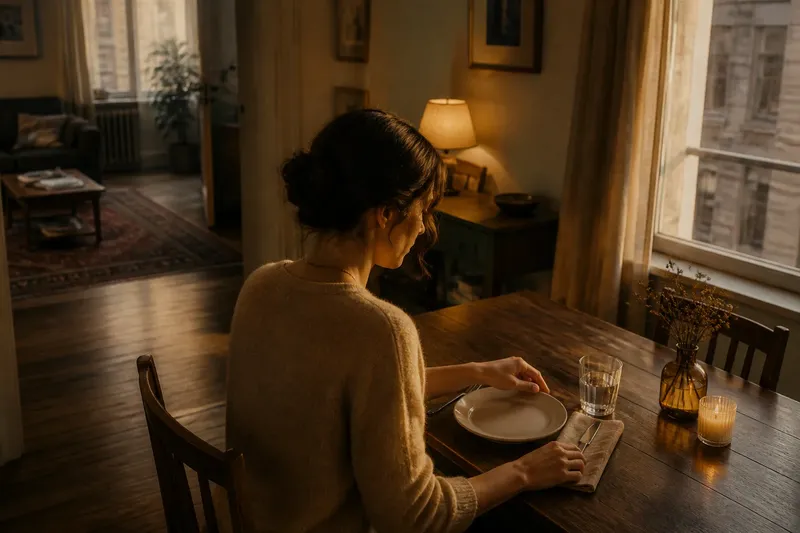
Consider a character carefully setting a place at an empty table. A gentle piano phrase could make the action seem tender. If the notes are too regular or the phrase stops before the character sits down, the same passage may suggest a ritual the character is trying to maintain. Neither reading is automatic; the timing and the surrounding scene do the work.
Contradiction can reveal a second layer
When music and image appear to disagree, the tension can make a scene more specific. Cheerful music over a grim image might expose a character’s denial, create bitter irony or make an ordinary action feel disturbing. The contrast matters because viewers are invited to compare the tracks rather than accept either one alone.
That contrast needs a reason. If a lively tune plays over a funeral, the scene might be filtered through a character’s memory, a deliberately insensitive setting or a tone of dark comedy. Without some connection to the film’s point of view, the mismatch can feel like decoration. A useful question is not simply “Do these sounds match?” but “What does their disagreement make us notice?”
Sound can also contradict a performance without opposing it outright. A restrained score beneath a character’s controlled voice may suggest an emotion the character refuses to show. A more neutral musical texture may leave the performance open, allowing a small hesitation or a glance away to carry the strain instead.
Silence and ordinary sound leave room for attention
A scene does not need music at every emotionally charged moment. Silence, or a score that withdraws, can direct attention towards details that a strong melody might cover: a breath held before an answer, a chair scraping across the floor, distant traffic, or the pause after a door closes.
Silence in a film is rarely literal absence. It may mean no score, while dialogue and the surrounding acoustic space remain. That distinction matters. Removing music can make a room feel exposed; keeping a faint hum or air-conditioning tone can make the same room feel enclosed. The sound designer and composer shape what remains audible, not merely what disappears.
Imagine a scene in which someone receives a message and keeps their face still. If the music falls away, the small tap of a phone on the table may become conspicuous, and the audience may wait for the character’s next move. If a warm chord continues, it may soften that pause or imply comfort. The observable difference is where attention settles: on the room and the delay, or on a musical suggestion of reassurance.
Mix and timing shape how a cue is understood
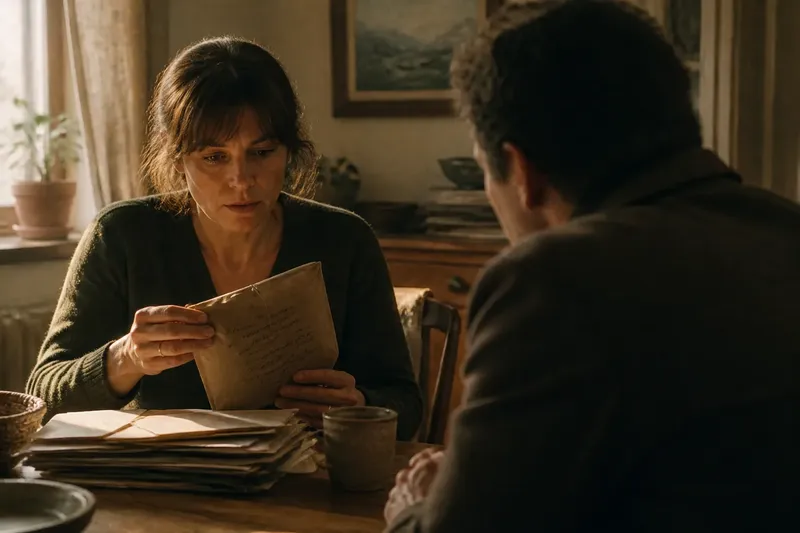
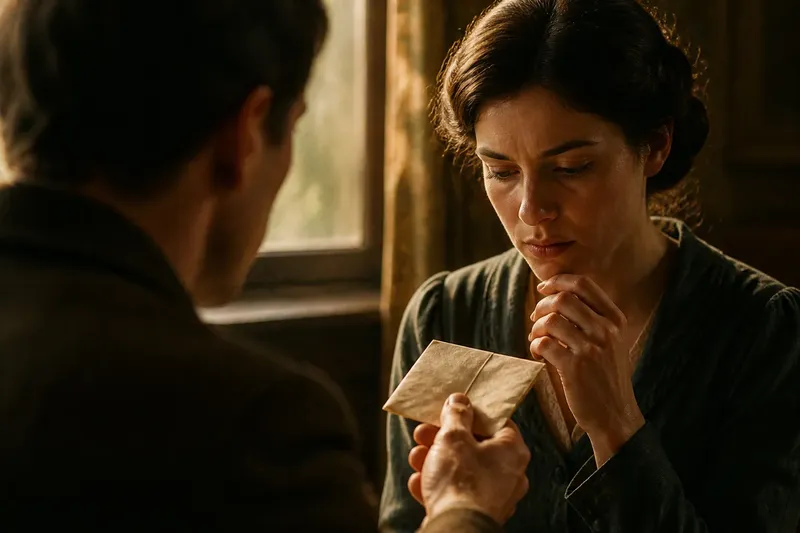
Music is not just a choice of melody. Its placement in the mix, its volume relative to speech and effects, and the instant it begins or stops can alter its meaning. A cue entering before a character opens a letter may build anticipation. Starting after the character reads it can feel like a response to their reaction, or even an interpretation of it.
Duration matters too. A short musical phrase that ends with a line can underline its apparent meaning. Letting the phrase continue after the line may give the viewer time to question that meaning. A fade can suggest emotional release, while an abrupt cut can expose the noise of the room or leave the feeling unresolved.
These choices work with the scene’s point of view. Music may belong to the film’s larger perspective, or it may sound as if it comes from a radio, a phone or a place within the story. A recognisable source gives characters access to the sound; an unseen score generally does not. The distinction can affect whether a tune seems to comment on a character or simply fill the room they occupy.
How can film music disagree with a scene?
Does sad music always mean a character is grieving?
No. It may signal how the film frames the moment rather than naming the character’s private emotion. Compare the cue with the character’s actions and with what the scene has already shown.
Why might a film use cheerful music over an unsettling image?
The mismatch can create irony, expose denial or make a familiar action feel wrong. Look for a connection to the character’s point of view, the setting or the film’s tone before settling on an interpretation.
What does it mean when the score stops?
It often shifts attention towards speech, physical sound or the viewer’s expectation of what comes next. The remaining room tone and effects still contribute to the scene’s atmosphere.
How can you tell whether music comes from inside the story?
Look for an apparent source, such as a speaker or a performer, and notice whether characters respond to the music. If no source is suggested, the score is more likely serving as an unseen layer of the film’s storytelling.
Listen for the relationship, not a single emotion
To understand a soundtrack, compare what it offers with what the image and performance leave uncertain. Notice whether the music supports, resists or recedes from the visible action, then attend to its timing and to the sounds that remain. This is a useful way to read the soundtrack’s role without treating it as a label for the scene.
The soundtrack does not dictate the feeling because viewers meet music alongside other evidence. A cue can sharpen an emotion, complicate it or make space for a different detail to speak. When the scene keeps those possibilities in play, listening becomes part of watching.